



August 14, 2026
A good breakfast is key to getting started; continue with small snacks while riding, and finish with a meal that truly helps you recover.
Nutrition for cyclists isn't just about performing better. It also helps maintain energy, reduce digestive discomfort, and support recovery after each ride. You don't always need to rely on expensive products or supplements: many everyday foods can become excellent fuel for your legs.
When the route crosses the mountains of Medellín and Antioquia, distance isn't the only challenge. Elevation changes, shifting weather, and rural roads make good physical preparation just as important as nutrition and hydration.
Before starting the route, it's important to know the distance, elevation gain, terrain type, difficulty level, and weather conditions. This information will help you understand what pace to keep, how much food and water to bring, and whether the route matches your current fitness level.
In the mountains of Medellín, a distance that seems short can include demanding slopes and unpaved sections. That's why preparation should begin weeks in advance. Gradually increase the time and distance of your rides, and include exercises to strengthen your legs, glutes, and core.
It's also important to learn how to use your bike's gears correctly. Maintaining a comfortable cadence allows you to manage your energy better than trying to power through every slope using strength alone.
During the days leading up to a demanding route, reduce your training intensity. Doing too intense a session the day before can cause you to start the ride already fatigued.
Before getting on the bike, spend five to ten minutes mobilizing your hips, ankles, knees, and shoulders. You can do hip circles, leg swings, dynamic lunges, and bodyweight squats. Afterward, start pedaling gently and gradually pick up the pace.
The bike also needs to be ready. Check the brakes, tires, gears, and chain before heading out. You can complement this check with our guide on the cuidado de la bicicleta.
Your pre-ride meal should provide energy without feeling heavy. For a long or demanding route, try to eat two to three hours before heading out.
Una buena opción puede ser avena con banano, tostadas con miel o mermelada, arepa con huevo, arroz con una proteína ligera o yogur con cereal y fruta. Lo ideal es elegir alimentos ricos en carbohidratos, moderados en proteína y bajos en grasa o fibra si sueles presentar molestias digestivas.
In the days beforehand, there's no need to eat excessive amounts. What matters is maintaining a balanced diet, resting well, and consuming enough carbohydrates, especially for longer rides.
If you have to leave very early and can't have a full breakfast, you can have a light snack 30 to 60 minutes beforehand. A banana, a guava paste bar, toast with honey, or a couple of dates can provide energy without feeling too heavy.
You should also start well hydrated. Drink water gradually in the hours beforehand, rather than a large amount right before you leave. When it's hot, the route is long, or you tend to sweat a lot, you can supplement water with a drink that contains electrolytes.
Avoid trying new foods or drinks on the day of an important ride. Everyone has a different tolerance, so it's best to stick with options you've already used during your training rides.
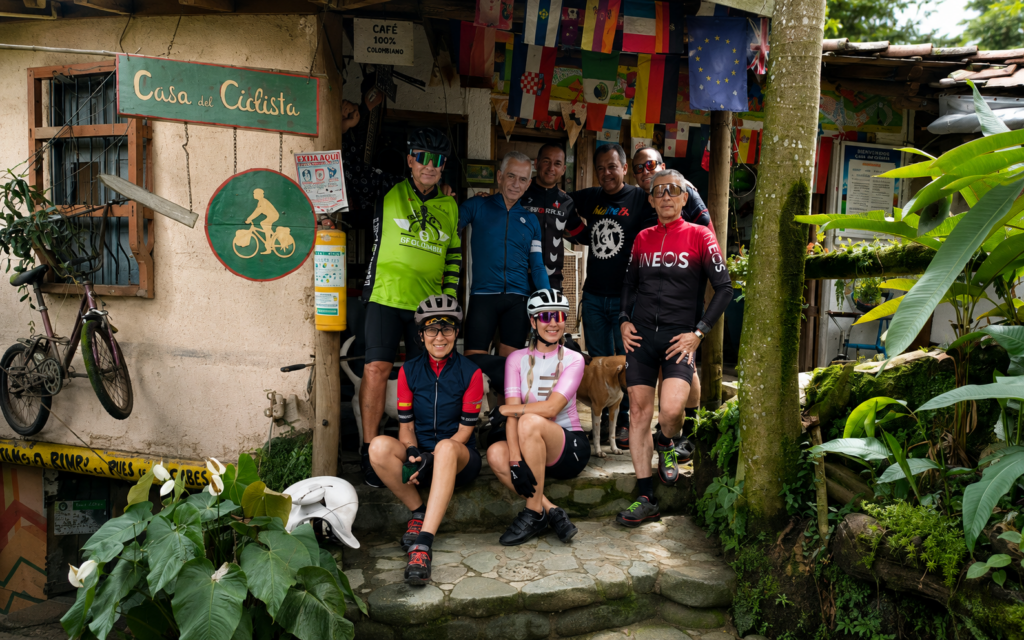
One of the most common mistakes in cycling is waiting until you feel very hungry or hit an energy slump before you start eating. On long rides, fueling should begin from the earliest stages of the route.
If the ride is easy and lasts less than 60 to 90 minutes, starting the day well-fueled and carrying water may be enough. When the ride goes beyond that time, includes demanding climbs, or is done at a high intensity, you'll need to replenish carbohydrates.
As a general guideline, a prolonged ride may require between 30 and 60 grams of carbohydrates per hour. This amount should be split into small portions and adjusted based on each cyclist's experience, needs, and digestive tolerance.
You can eat something every 30 to 45 minutes and bring practical options like:
Gels and bars can be useful, but they're not required. Natural foods also provide energy and tend to be more affordable. For rides lasting several hours, bring an extra portion of food in case the ride takes longer than planned.
As for hydration, take small sips regularly and adjust the amount based on the weather, intensity, and your sweat level. On hot days or during long rides, you can alternate water with a sports drink that contains electrolytes.
Don't confuse a sports or isotonic drink with an energy drink. Energy drinks usually contain stimulants and don't replace water or a proper hydration strategy.
It's also not advisable to force yourself to drink excessive amounts. The goal is to replenish fluids gradually and according to your body's needs.
Recovery begins the moment the ride ends. In the hours that follow, the body needs to replenish the energy used, repair muscles, and restore lost fluids.
Finish the ride with a few minutes of easy pedaling to gradually lower the intensity. Afterward, eat a meal that combines carbohydrates and protein.
You can choose rice with chicken, meat, or eggs; arepa with eggs and fruit; potato or yuca with a protein source; yogurt with oats and banana; or a sandwich with a drink and a piece of fruit.
You don't need to eat frantically the moment you get off the bike, but it's a good idea to do so within the following hours, especially after a long ride.
Continúa tomando agua de forma gradual. Si el recorrido fue prolongado, hubo mucho calor o terminaste con la ropa empapada por el sudor, una bebida con electrolitos puede ayudar a complementar la rehidratación.
Rest is also part of recovery. Sleeping well and avoiding another intense workout right after will help your body prepare for the next ride.
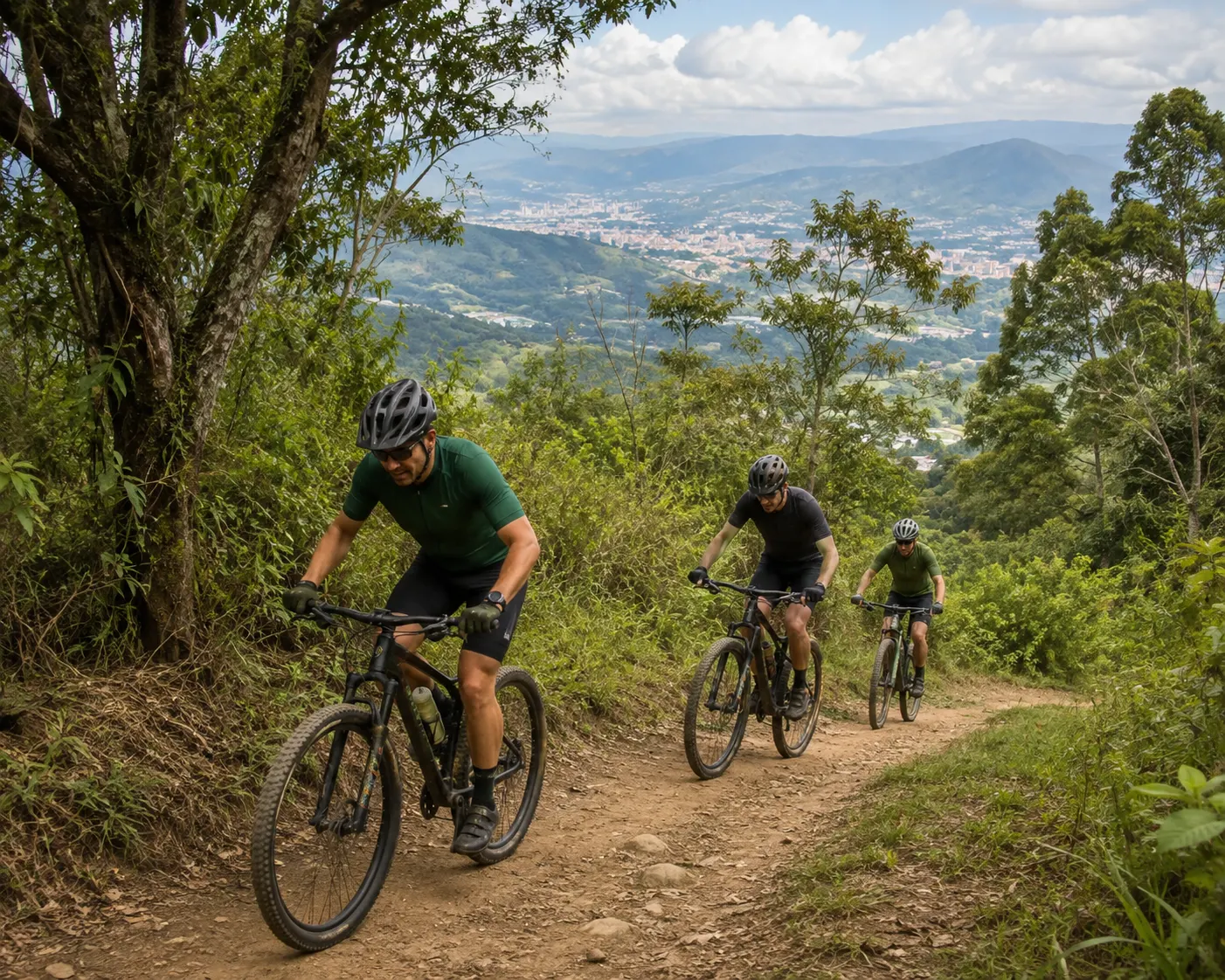
Eating too much before heading out can be just as uncomfortable as not eating enough. Very greasy, spicy, or hard-to-digest foods can cause heaviness and discomfort during the ride.
Another common mistake is starting too fast. Even if you feel full of energy at the beginning, maintaining high intensity from the first kilometers can wear you out before reaching the most demanding climbs.
También es común llevar menos agua o comida de la necesaria, estrenar geles durante una ruta importante o esperar hasta sentir debilidad para consumir algo. La alimentación y la hidratación deben planificarse desde antes, no cuando el cuerpo ya muestra señales de cansancio.
Finally, don't choose a route based solely on distance. Elevation gain, terrain, altitude, and weather conditions can significantly increase its difficulty. Knowing these factors will allow you to enjoy the experience more safely.